← People and Natural Environment
1F / 4

Taiwan’s officially recognized indigenous groups include the Atayal, Truku, Sediq, Saisiyat, Bunun, Thao, Tsou, Kanakanavu, Hla’alua, Rukai and Paiwan that inhabit Taiwan’s mountainous areas, as well as the Amis, Puyuma, Yami (Tao), Kavalan and Sakizaya that live along Taiwan’s eastern coast. According to genetic data and linguistic classification, Taiwan’s indigenous peoples belong to the Austronesian language family. According to linguistic and anthropological research, there are other groups in Taiwan that also belong to the Austronesian language family. These include the Basay, Ketagalan, Kulon, Taokas, Pazeh, Papora, Babuza, Hoanya, Siraya, and Makatao tribes. They once inhabited the northern and western plains and from the time of the Japanese occupation of Taiwan (1895-1945) became collectively known as the Pingpu (plain aborigines) groups.
Before the mass immigration of Han Chinese people to Taiwan in the 17th century, the ancestors of today’s indigenous peoples had inhabited Taiwan for at least 4,000 years. Taiwan’s indigenous peoples traditionally subsisted on farming, hunting and fishing. Their material culture, spiritual beliefs, legends and languages show many similarities with the peoples of the Philippines, Malaysia, Indonesia, Madagascar and Oceania. Since the 1980s, Taiwan has undergone democratization and “indigenous person” has gradually become the term to replace the more discriminatory label of “mountain compatriot”. In 1994, then President Teng-hui Lee was the first head of state to use the term “indigenous people” in an Indigenous Culture Conference. The same year, “indigenous person” was formally declared in the Constitution. In 1997, the Indigenous Peoples Education Act became the first legislation with the term indigenous peoples included. In 2000, the basic national policy was revised to formally recognize the collective rights of indigenous peoples. In 2005, the passage of the Indigenous Peoples Basic Law confirmed the right to autonomy for Taiwan’s indigenous peoples.
Today, Taiwan’s indigenous peoples number around 550,000. Those that live in mountainous areas continue to maintain tribe social structures and relationships. However, with Taiwan’s social and economic changes, nearly half of Taiwan’s indigenous peoples now live in urban areas to take advantage of study and employment opportunities. Gradually, importance is being placed on issues such as the exodus of young people from their tribes and the social phenomena of urban-dwelling indigenous peoples.With the launch of the Taiwan Indigenous Television (TiTV) station in 2005, indigenous culture is rapidly spreading throughout society via broadcast media. This is the second indigenous television station to be established in the Asia-Pacific region; the first is in New Zealand. In addition, cultural tourism has been influenced by the revival and renewal of traditional indigenous culture, for example the evolution of traditional ceremonies and the commercialization of indigenous material culture.

此區展品

Ancient pot

Ancient pot

Earthenware dolls

Earthenware dolls

Earthenware dolls

Earthenware dolls

Steamer

Bamboo salt container

Fish trap

Mortar and pestle

Rattan container

Fish basket

Basket for carrying on the back

刀

刀


佩刀

刀

刀

刀

刀

Comb

Pipe

Pipe

Pipe

Wood carving

Carving

Shield

木雕屏風

Pipe

Wax plate
Ancestor posts

Xylophone

Mouth harp

Match cord carrier

Gunpowder Container

Device for scaring away birds

Double cup

配刀

蒸器

弓琴

篩盤

網袋

壺

壺

壺

壺

刀

刀

刀

刀

壺

刀插

刀插

袋

刀插

煙斗

宗柱
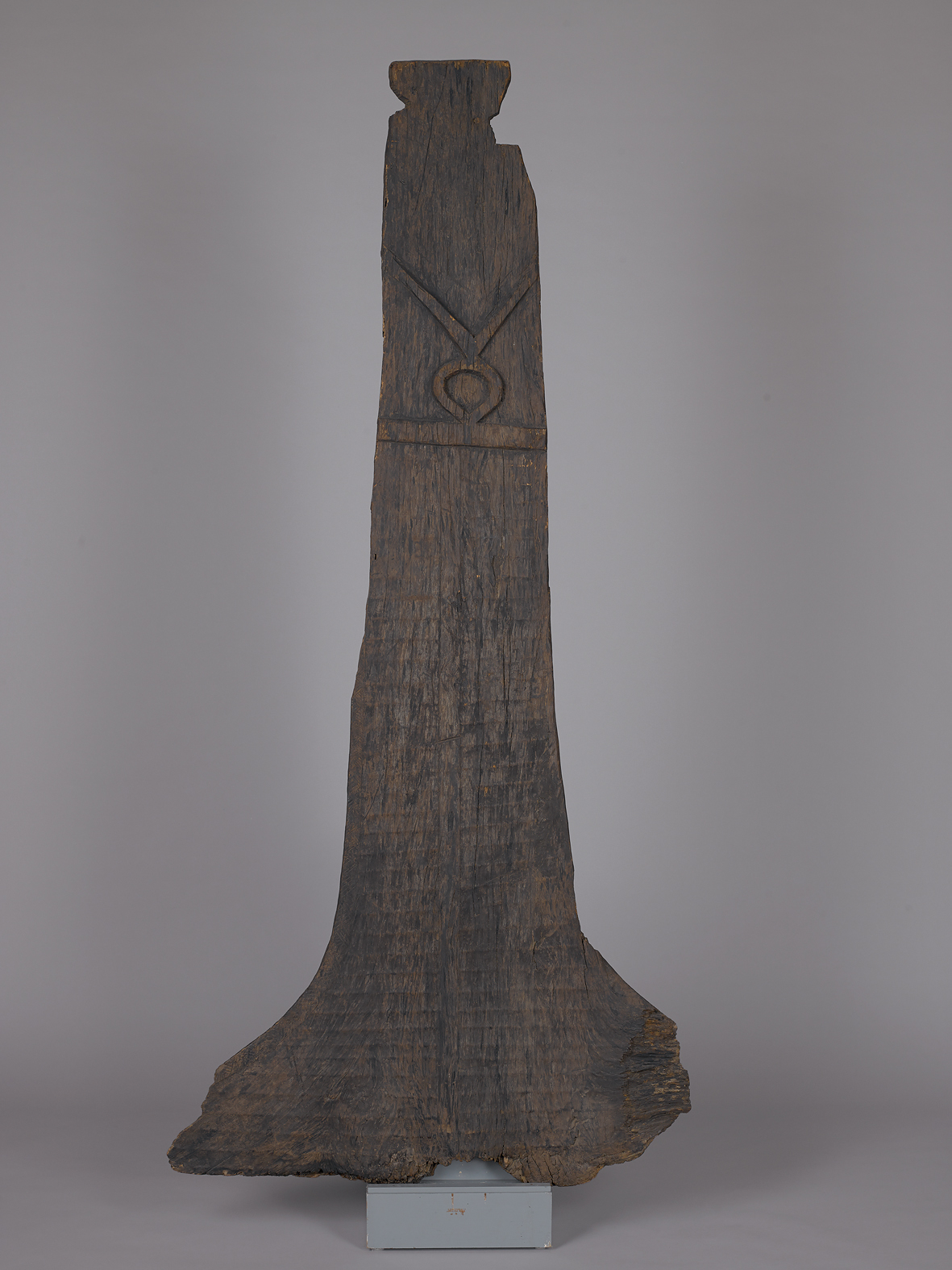
宗柱

宗柱

桶

雕刻

雕刻

臼

臼

臼

杵

石杵

牛軛

杯

鹽罐

套桿式槍

套桿式定鏃槍

套桿式定鏃槍

插桿式定鏃槍

弓

箭

箭

箭

箭

置物袋

置物盒

置物盒

竹藤器

竹藤器

竹藤器

簍

竹藤器(盒)

藤器

葫蘆

圈足陶碗

陶壺

陶壺

陶壺

陶壺

蒸器

陶器

蠟板

單口連杯

刀

藤編器

藤編器

火藥筒

火藥筒

竹藤器

木甑蓋

木甑

壺

獸夾

拍板

拍板

拍板

修緣器

陶器墊座

雙管鼻笛

箭袋

無羽單鏃鐵箭

無羽單鏃鐵箭

無羽單鏃鐵箭

無羽單鏃鐵箭

無羽單鏃鐵箭

無羽單鏃鐵箭

盒

蓋

小刀

木雕

陶壺

陶壺

陶壺

土製火槍

鐮刀

口簧琴

煙斗
木梳

木梳

蠟板

背蔞

籃

竹耙

扁擔

籐籃

籐籃

掘棒

小刀

漁網

濾酒器

酒壺

大鐵鍬

小鐵鍬

鐮刀

杵

臼

篩盤

鐵鍋

水瓢